Source neutral coated and wax car shampoo for cleaning, polishing, and waxing
Compare 30 neutral coated and wax car shampoo options from verified Chinese manufacturers. Buyers can evaluate specifications, MOQs, and certifications like ISO9001 to find suitable cleaning and polishing solutions for car interiors and exteriors.
Key considerations
Products List


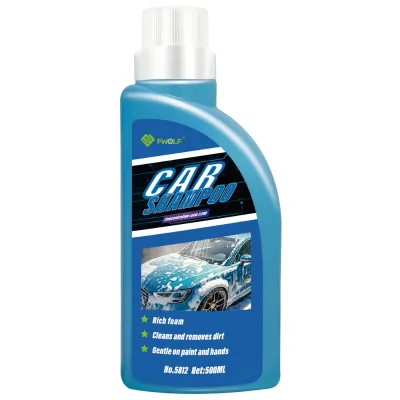


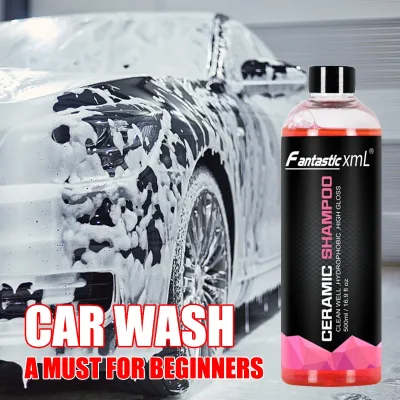
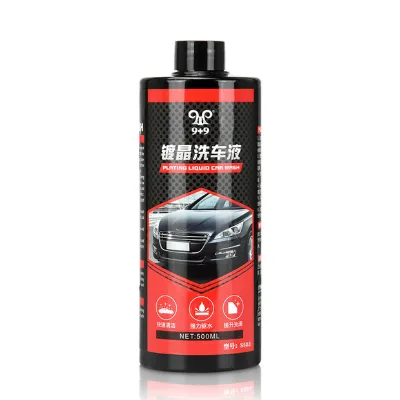


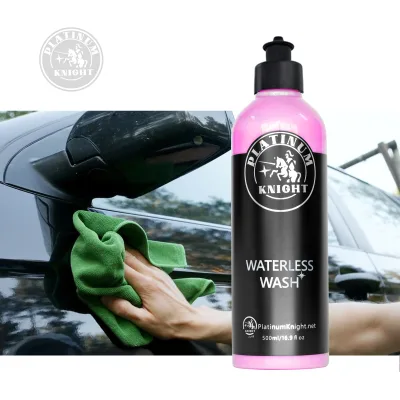
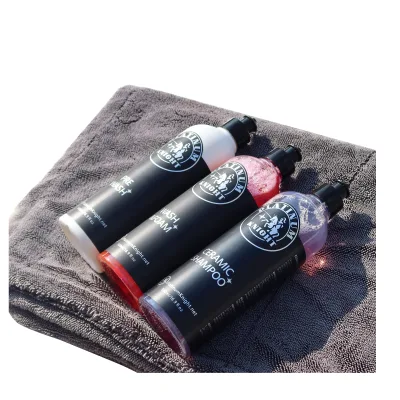
Comprehensive Sourcing Guide
Strategic Sourcing Guide for Neutral Coated and Wax Car Shampoo
Understanding Product Specifications and Formulation
When sourcing neutral coated and wax car shampoo, buyers must first distinguish between general cleaning agents and specialized formulations that combine washing, waxing, and coating properties. The core keyword implies a product designed to clean the vehicle surface while simultaneously depositing a protective layer, often referred to as a wax or coating, without the harsh alkalinity that can strip existing waxes. In the current market, products labeled as "Car Shampoo" often fall under the broader category of "Cleaner & Wash" or "Polishing Wax," depending on their primary function.
Technical specifications for these products vary significantly. Some listings indicate a volume of 500 mL, while others offer regular sizes of 1000 mL. The physical condition is consistently reported as a liquid, which is standard for automotive cleaning chemicals. A critical technical attribute to verify is the pH level. While some products in the supply chain are noted to have a "Base" pH, a truly "neutral" shampoo should ideally be pH-balanced to avoid damaging the clear coat or stripping previous wax applications. Buyers should scrutinize the "Car Cleaning Chemical PH" specification to ensure it aligns with the "neutral" requirement of the search query, as a base pH may indicate a more aggressive cleaner rather than a gentle, wax-infused wash.
The material of the packaging is another essential specification. Most suppliers utilize plastic bottles for these liquid products, which are lightweight and durable for transport. The packaging format often dictates the minimum order quantity (MOQ) and shipping costs. Common configurations include 12 pieces per carton (12PCS/CTN) or 6 pieces per carton, with specific carton dimensions such as 346x262x235 mm or 22x23x14 cm. Understanding these dimensions is vital for logistics planning, as the gross weight per batch can range from 0.800 kg to 13.2 kg depending on the volume and quantity included.
Compliance, Certification, and Safety Standards
In the B2B automotive chemical sector, compliance is not merely a formality but a prerequisite for market access and liability protection. Buyers must verify that suppliers possess valid certifications that demonstrate adherence to international safety and quality standards. The most frequently observed certification in the current supply pool is ISO9001, which indicates a certified quality management system. This standard ensures that the manufacturing process is consistent and controlled, reducing the risk of batch-to-batch variability.
Beyond quality management, chemical-specific certifications are critical. Many suppliers list MSDS (Material Safety Data Sheet) compliance, which is essential for shipping and handling hazardous materials. Additionally, certifications such as Reach, RoHS, and SGS are often cited. Reach compliance ensures the product meets European Union regulations regarding chemical safety, while RoHS restricts the use of specific hazardous materials. For buyers targeting markets with strict environmental regulations, verifying SGS test reports is advisable to confirm the absence of prohibited substances.
The "Expiration Date" and "Shelf Life" are also compliance-related attributes that affect inventory management. Products in this category typically have a shelf life of 3 years from the manufactured date. Buyers must ensure that the expiration date is clearly marked on the packaging to prevent the sale of degraded products, which could lead to customer complaints or safety issues. The "Sample" support mentioned in supplier attributes is a valuable tool for verifying these claims before committing to a large order, allowing buyers to test the product's actual chemical properties against the stated certifications.
Cost Drivers and Pricing Dynamics
The pricing of neutral coated and wax car shampoo is influenced by several variables, including volume, packaging, and the complexity of the formulation. The observed price range in the market spans from $0.62 to $3.63 per unit, a significant variance that reflects differences in concentration, brand positioning, and included services like OEM or ODM. Lower-priced items often correspond to basic cleaning formulations, while higher-priced units may include advanced waxing agents or proprietary coating technologies.
MOQ (Minimum Order Quantity) is a primary cost driver. The market exhibits a wide range, from as low as 240 pieces to as high as 7500 pieces, with a common standard MOQ of 3000 pieces. Suppliers offering lower MOQs, such as 240 pieces, may charge a premium per unit to cover setup costs, whereas bulk orders at 3000 pieces or more often benefit from economies of scale. The "Selling Units" are frequently structured as multiples of 12, meaning buyers must order in cases rather than individual bottles, which impacts the total initial investment.
Payment terms also play a role in the overall cost structure. "Negotiable" payment terms are common, allowing buyers to discuss credit periods or deposit structures based on their relationship with the supplier. Additionally, the "Service" attribute often includes ODM (Original Design Manufacturing) and OEM (Original Equipment Manufacturing). Customization services, such as private labeling or specific scent formulations, will inevitably increase the unit cost but can provide a competitive advantage in the buyer's target market. Buyers should calculate the total landed cost, including shipping and duties, rather than focusing solely on the unit price, as the "Gross Weight" and "Carton Size" directly impact freight charges.
Typical Applications and Performance Expectations
The primary application for these products is "Car Interior & Exterior" cleaning, with a specific focus on "Car Surface Cleaning." The functional description often includes "Glossing, Polishing & Grinding," although this terminology can sometimes overlap with dedicated polishing compounds. For a "neutral coated and wax" shampoo, the expected performance is to clean the vehicle while leaving a protective film that enhances shine and repels water.
The "Function" attribute lists "Car Polish Car Cleaning," suggesting a dual-purpose capability. However, buyers must be cautious with products that claim "Polishing & Grinding," as these terms typically refer to abrasive compounds used to remove scratches, which is distinct from a gentle wax-infused shampoo. A true neutral wax shampoo should not be abrasive. The "Physical Condition" being liquid confirms its suitability for wash bays and manual hand washing.
The "Dilution Ratio" is a critical performance metric for commercial buyers. One observed ratio is approximately 0.736, which implies a specific concentration level. Buyers need to verify if this ratio is for the concentrate or the final wash solution, as incorrect dilution can lead to poor cleaning results or residue buildup. The "Brand Name" varies, with examples like "fwolf" and "Aeropak," indicating that both private label and established brands exist in the market. The "Color" is often listed as "Mixed Color," which may refer to the liquid's appearance or the variety of packaging colors available for different product lines.
Supplier Evaluation and Sourcing Strategy
Evaluating suppliers requires a systematic approach to ensure reliability and product consistency. The "Place of Origin" is predominantly "China(Mainland) Guangdong," a major manufacturing hub for automotive chemicals. Buyers should verify the specific factory location within this region, as Guangdong hosts a mix of large-scale industrial plants and smaller workshops. The "Delivery Time" is typically cited as 20-25 working days, which is a standard lead time for international shipping and production scheduling.
When assessing suppliers, buyers should request samples to test the "Quality" attribute, which is often described as "High" in listings. This qualitative claim must be validated through independent testing. The "Customization" availability is a key differentiator; suppliers offering ODM/OEM services can tailor the product to specific brand requirements, such as adjusting the pH level to be truly neutral or modifying the wax concentration.
A comparison of key supplier attributes can help in decision-making:
| Attribute | Observation A | Observation B | Observation C |
|---|---|---|---|
| Product Model | VSL-W5 | APK-8325 | BSJ-23403 |
| Volume | 500 mL | 1000 mL | 1 Kg |
| MOQ | 3000 PCS | 240 pcs | Variable |
| Certification | ISO9001 | ISO9001/MSDS | Reach, RoHS, SGS |
| Packaging | 12PCS/CTN | 6PCS/Carton | 500ML*12PCS/CTN |
| Origin | Guangdong, China | China | China |
This table highlights the diversity in product models and packaging standards. Buyers should ensure that the "Package size per batch" and "Gross weight per batch" align with their logistics capabilities. For instance, a 0.800 kg batch weight is significantly lighter than a 13.2 kg batch, affecting storage and handling requirements.
Quality Control and Long-Term Procurement Considerations
Quality control (QC) is paramount in the automotive chemical industry. Buyers should implement a rigorous QC process that includes verifying the "Expiration Date" and "Shelf Life" upon receipt. The "3 Years" shelf life is a standard benchmark, but buyers must check the actual manufacturing date on the batch to ensure sufficient remaining life. Additionally, the "Certificate" status should be cross-referenced with the supplier's documentation to confirm validity.
Long-term procurement considerations involve building a sustainable supply chain. The "Payment" terms being "Negotiable" offers flexibility for establishing long-term contracts. Buyers should consider the "Service" capabilities, particularly ODM and OEM, to develop a unique product identity in their market. Consistency in the "Material" (plastic) and "Packing" (carton) is essential for brand recognition and customer trust.
Furthermore, buyers should monitor the "Standard" specifications, such as the "prod_standard" of 40.52923cm or 1Kg, to ensure that the product meets the physical requirements of their distribution channels. The "Type Group" classification as "Cleaner" or "Polishing Wax" should be clearly defined in contracts to avoid disputes over product performance. Finally, maintaining a relationship with suppliers who support "Sample" requests allows for continuous product validation and adaptation to changing market needs, ensuring that the "neutral coated and wax" formulation remains effective and compliant over time.
FAQs
What certifications do neutral coated and wax car shampoo suppliers typically hold?
Suppliers typically hold ISO9001 certification to ensure quality management systems are in place. Many also provide MSDS, Reach, RoHS, and SGS reports to verify chemical safety and compliance with international regulations for shipping and handling.
How is the pH level of these car shampoos defined in product specifications?
Product specifications often list the pH as Base, which indicates a more aggressive cleaner rather than a truly neutral formula. Buyers must verify the exact pH value to ensure it aligns with the requirement for a gentle, wax-infused wash that does not strip existing coatings.
Which volume sizes are available for neutral coated and wax car shampoo orders?
Available volume sizes include 500 mL and 1000 mL regular sizes. Some listings specify a weight of 1 Kg, while others note a gross weight per batch of 0.800 kg, requiring buyers to check specific batch details for accurate volume confirmation.
Can buyers customize the product with their own brand name and packaging?
Yes, customization is available through ODM and OEM services. Suppliers allow for private labeling and specific formulation adjustments, though this may affect the unit cost and requires a minimum order quantity that varies by supplier.
What is the typical shelf life and expiration date for these car cleaning chemicals?
The standard shelf life is 3 years from the manufactured date. Buyers should verify the expiration date on the packaging to ensure the product remains effective and to prevent the sale of degraded chemicals that could cause safety issues.
How does the minimum order quantity vary for different car shampoo suppliers?
Minimum order quantities range widely from 240 pieces to 7500 pieces, with a common standard of 3000 pieces. Lower MOQs may carry a premium per unit, while bulk orders often benefit from economies of scale and lower pricing.
What is the standard delivery time for orders of neutral coated and wax car shampoo?
The standard delivery time is typically 20 to 25 working days. This lead time accounts for production scheduling and international shipping logistics, so buyers should plan their inventory accordingly to avoid stockouts.